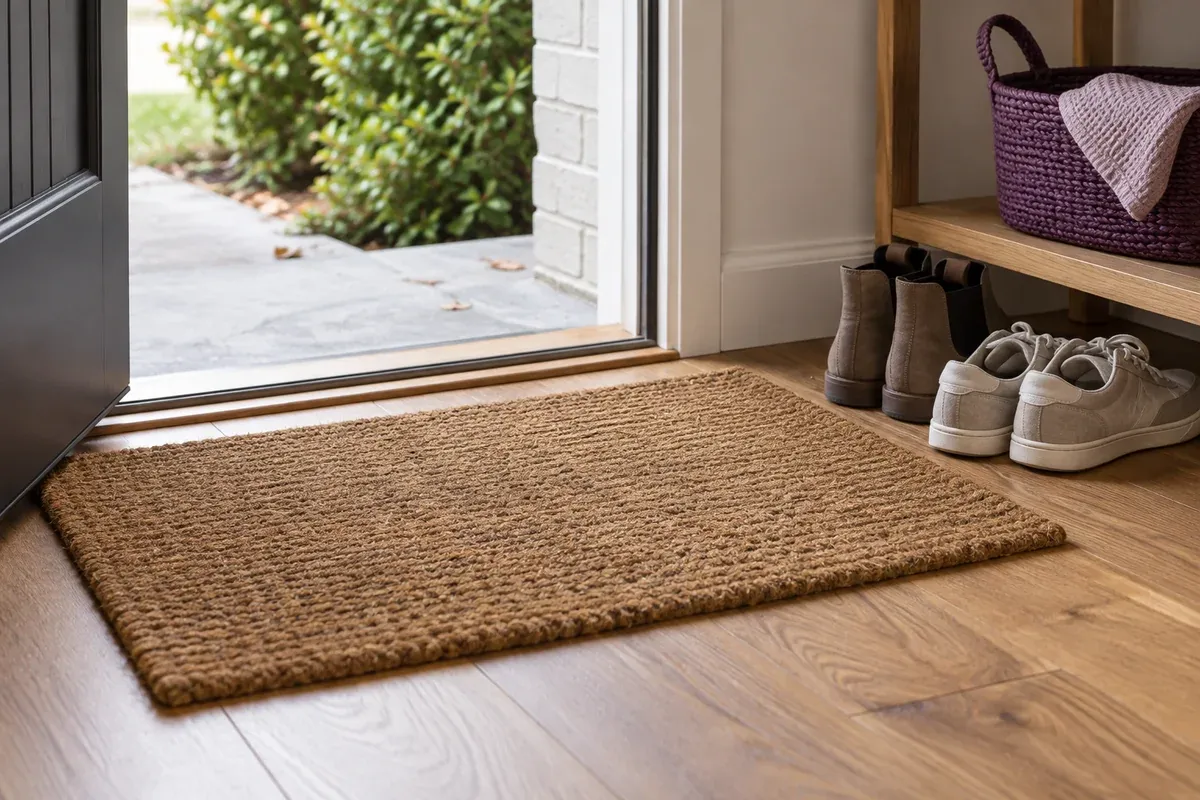
How to Get Rid of Dust — and Stop It Coming Straight Back
Use the existing dust guide and its related articles.
Read the guide
A little know-how. More room for life.
Cleaning 101
Start with the things you can see and maintain: returning dust, damp that needs attention, the products you use and the way air moves through each room. Choose a practical task, understand where cleaning helps, and identify what needs other help. Looking for Healthy Interiors? This domain previously hosted Melissa Wittig’s resources and interior-design information. These new pages are published by Simply Maid; the former consultations, book and app are not Simply Maid services. Find the book and historical references through the resources guide below.
12 guides · Edited by Huy Hoang
FIND YOUR PROBLEM
Choose a specific observation rather than trying to change the whole house at once. A record of the room, activity and time is useful when planning a routine or discussing a repair. It is not an air-quality or medical assessment.
| What you’re seeing | The guide for it |
|---|---|
| Dust returns quicklyStart with surfaces, fabrics and places where dust collects. | How to Get Rid of Dust — and Stop It Coming Straight Back |
| Damp or mould keeps returningUnderstand the difference between cleaning and addressing moisture. | How to Get Rid of Mould in Your House |
| You followed a book recommendationFind the authors, publication details and an independent book source. | The Smart Living Handbook: authors, background and where to find it |
START HERE
Make frequently used areas easy to reach before adding jobs to the list. Choose a small collection of objects to return to their places, keep cleaning tools convenient and use the care label for each fabric. A bedside shelf, mattress and pet sleeping area need different routines. Start with the guide for the actual item, then decide how the task fits your household. A clean-looking room is not proof that every indoor pollutant has been removed.
Use the existing dust guide and its related articles.
Read the guide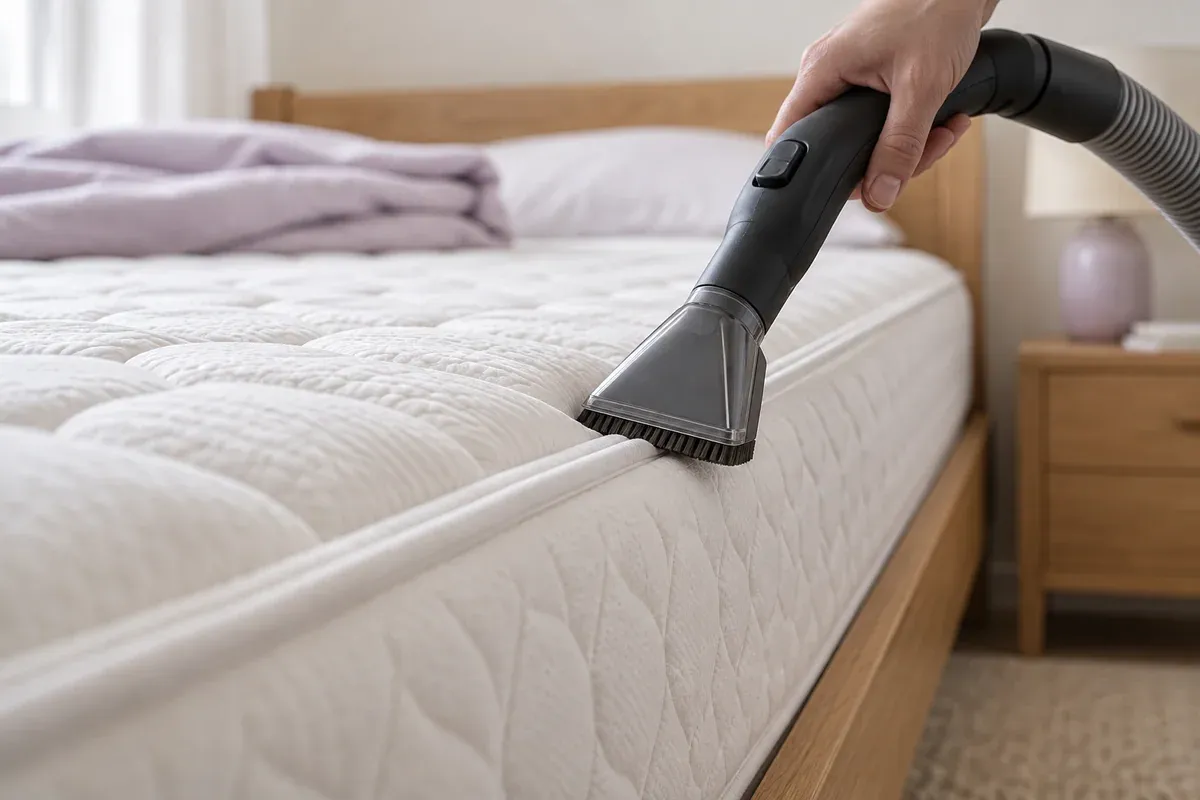
Match the method to the material and allow appropriate drying.
Read the guide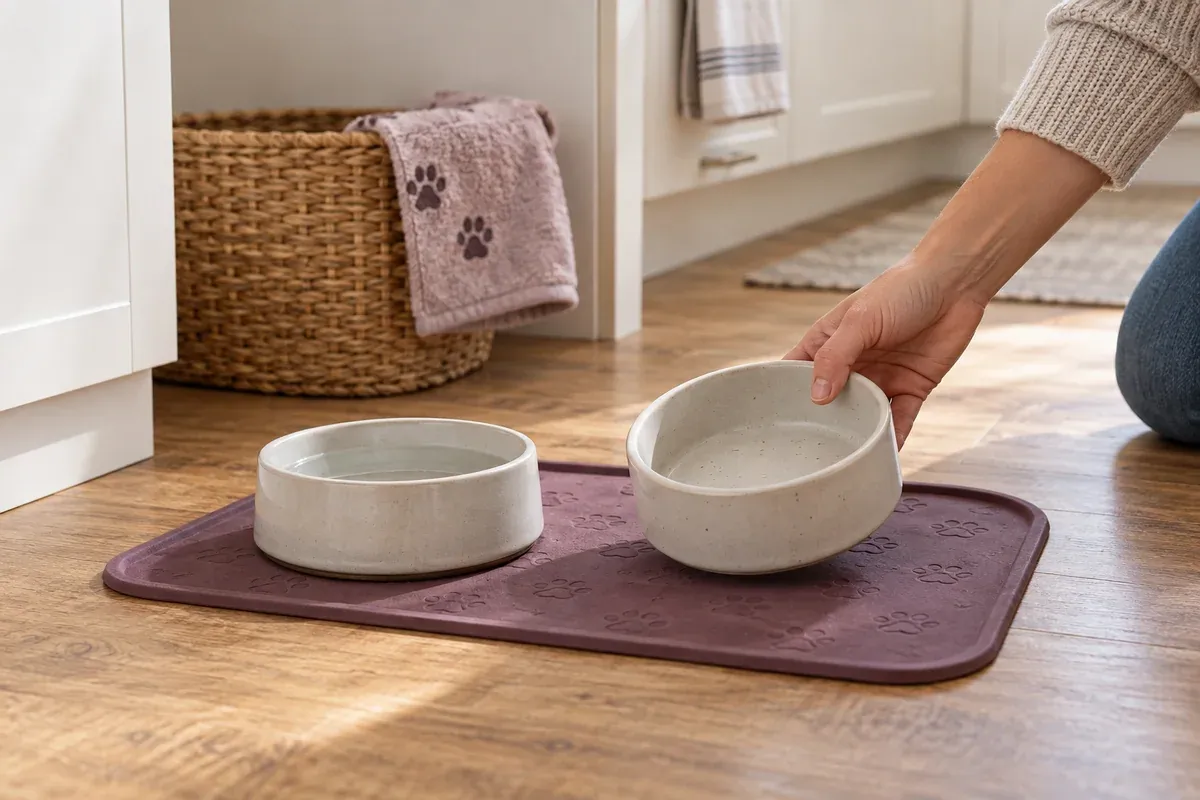
Build pet-related tasks into the household routine.
Read the guideKeep cleaning and maintenance decisions separate. Write down where recurring dampness appears and what you notice around it, then arrange appropriate follow-up. Accessible fan covers and filters have cleaning instructions; extraction performance, leaks and electrical work may need a technician or building professional. The indoor-air guide explains the different roles of sources, ventilation and filtration, then sends you to the existing task-specific guides. Choose the equipment you actually have rather than assuming every fan supplies outdoor air.
 More room for life.
Choose a next step from what you observe.
Read the guideMore room for life.Read the existing mould series and its maintenance limits.
Read the guideMore room for life.Care for accessible components according to instructions.
Read the guide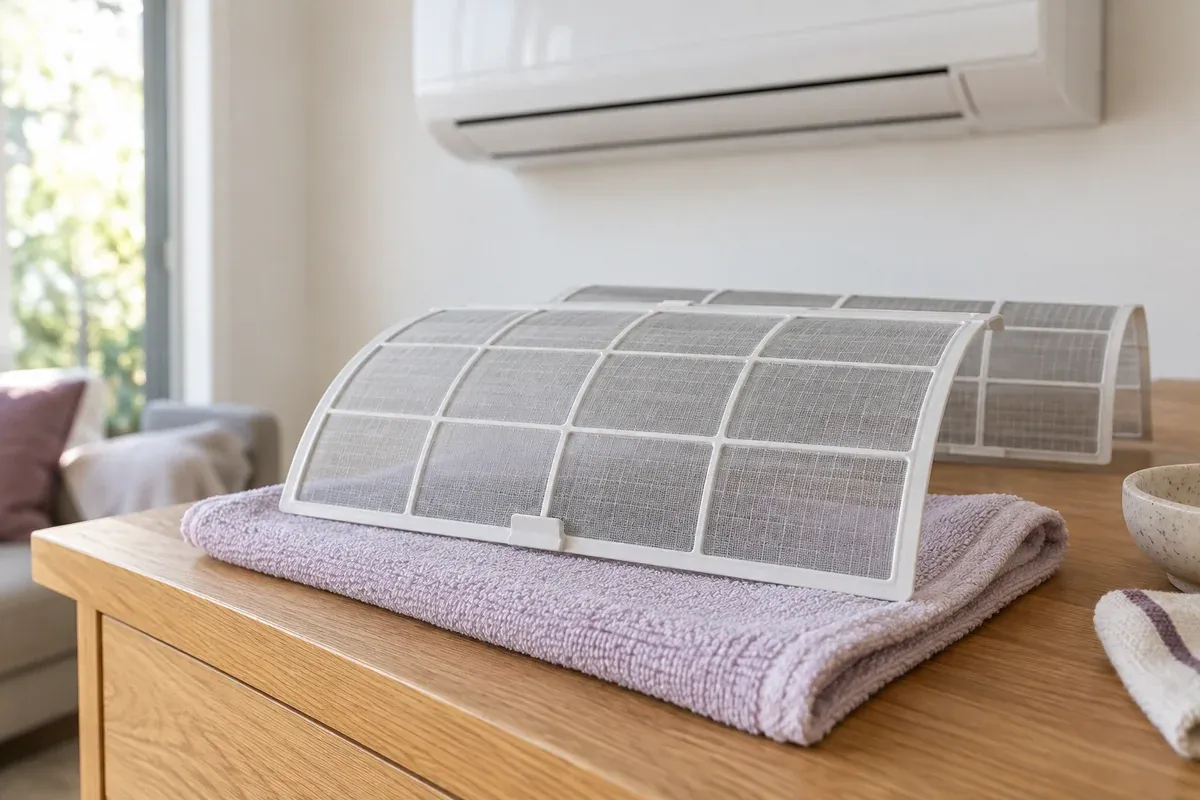
Find the household cleaning steps for this equipment.
Read the guideKeep the product instructions with the surface-care information. Before using a new cleaner, identify the finish and read the suitable-surface list, dilution, warnings and removal directions. A reassuring phrase on the front of a bottle does not answer all those questions. If you cannot identify a finish, ask the manufacturer or installer before experimenting. Our product-label guide helps you compare instructions; the established natural-cleaning guide covers a different task and keeps its existing home.
More room for life.Work through the instructions in a practical order.
Read the guide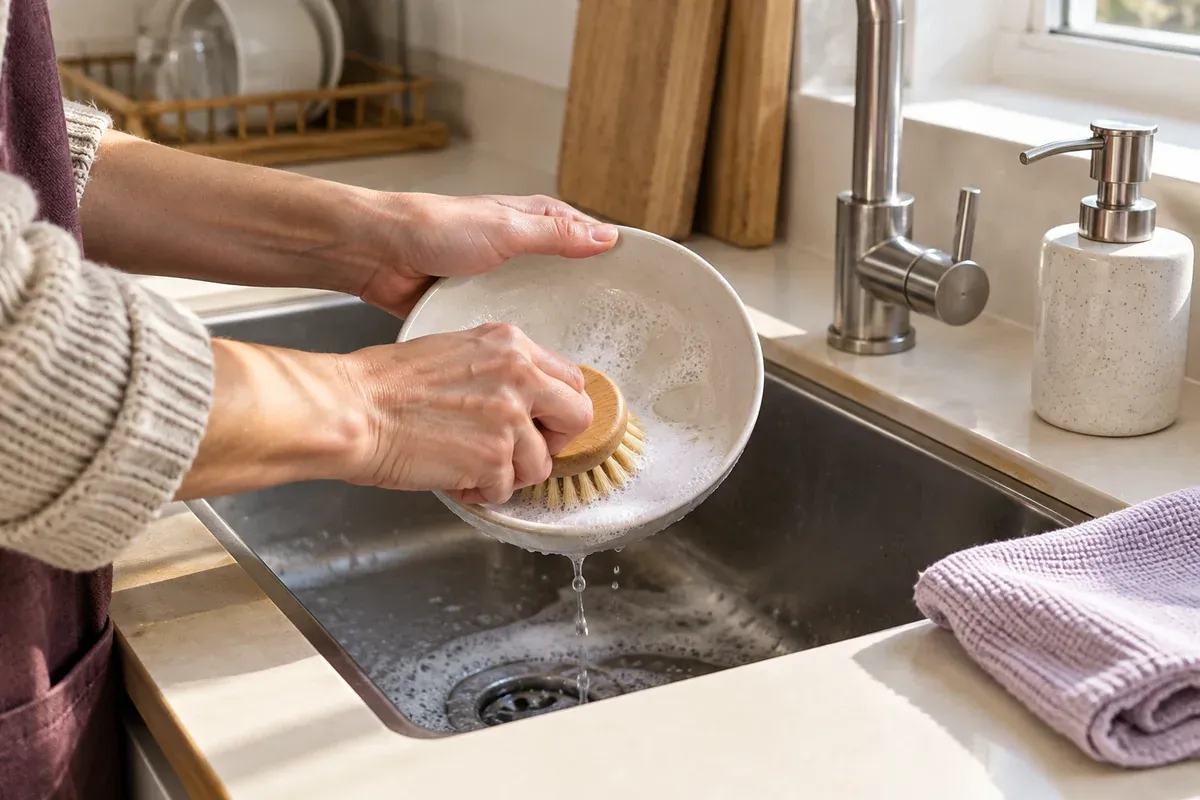
Read the existing guide with the material and task in mind.
Read the guide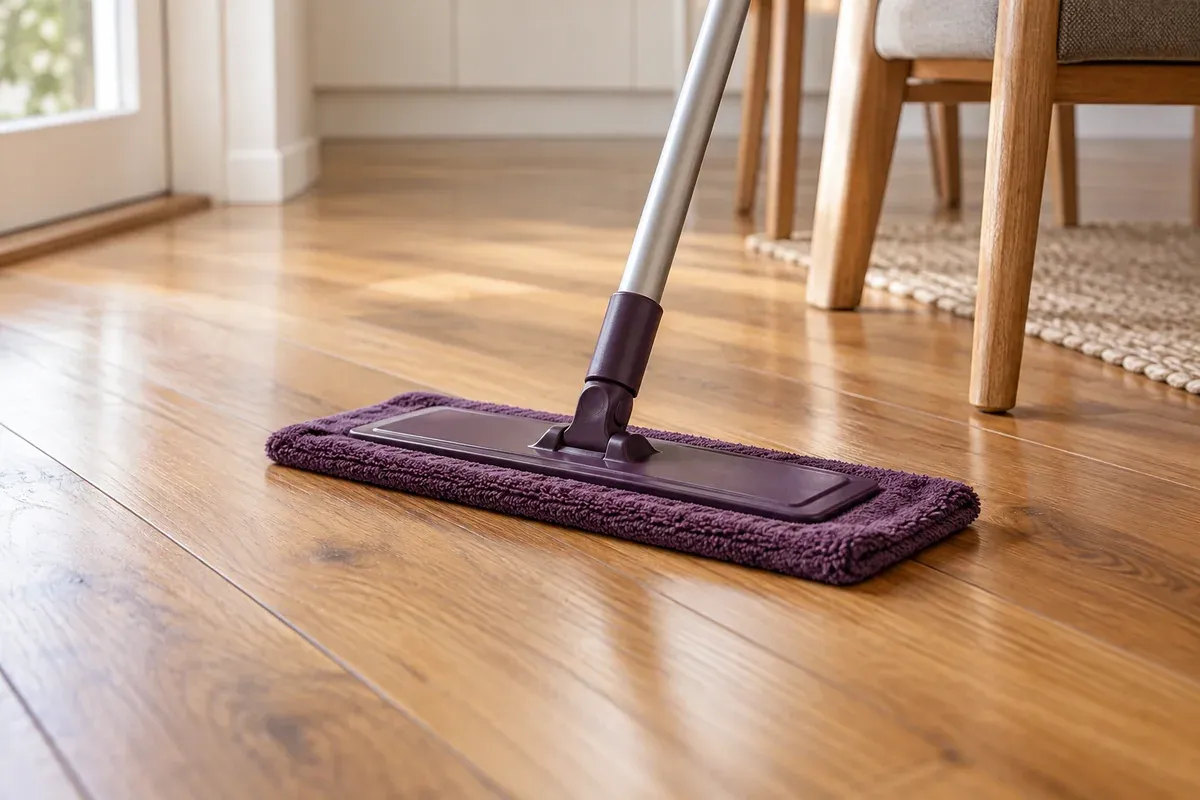
Identify the finish and reduce grit, moisture and furniture damage.
Read the guideChoose one room, one ordinary cleaning task and one item needing follow-up. Write a person and review date beside each action. If several people share the home, agree where supplies live and what each person can manage. Revisit the arrangement when the same obstacle keeps returning. The free checklist is a place to record observations and decisions; it gives no health score and does not replace an inspection. The resources guide also keeps the former book and historical research easy to find.
More room for life.An original A4 worksheet, the handbook and selected official references.
Read the guideMore room for life.Melissa Wittig and Danielle King's 2014 book, with a route to find a copy.
Read the guideKEEP READING